
Objectives and Vision
The Axiosoupoli Natural History Museum aspires to become a modern, dynamic space for knowledge, education, and culture, dedicated to showcasing the natural wealth of the region and the wider Greek territory. With a strong educational and social orientation, the Museum aims to cultivate environmental awareness among visitors of all ages, strengthen the relationship between people and nature, and serve as a point of reference for the study of biodiversity, geological history, and ecosystems.
The Museum’s primary goal is the preservation, documentation, and promotion of its collections, as well as the provision of high-quality educational experiences through contemporary presentation methods, digital tools, and innovative programmes for schools, families, and the general public. At the same time, it seeks to actively contribute to the cultural and tourism development of the area, foster collaboration with the educational and scientific community, and establish itself as a hub of knowledge, participation, and sustainable development for the local community.
History of the Museum
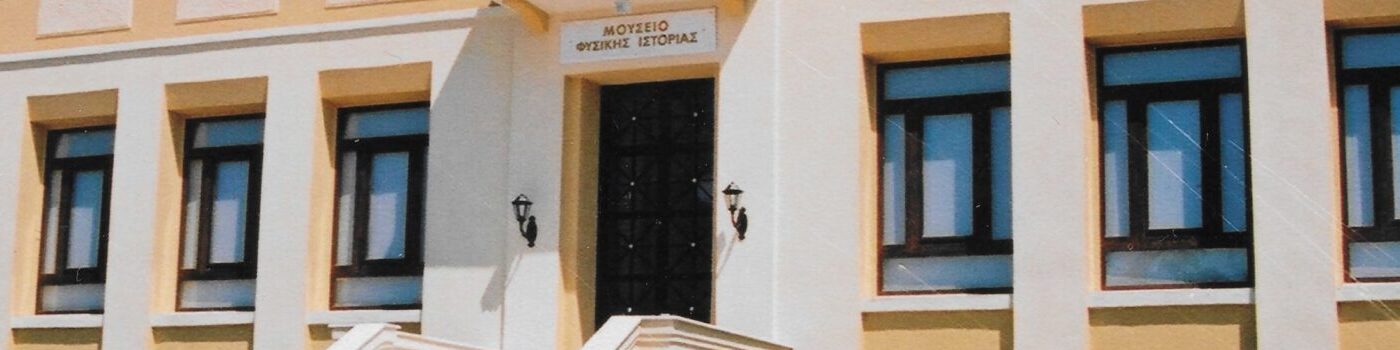
The Axiosoupoli Natural History Museum began to take shape in the mid-1990s, when the idea for its creation was developed by the then Mayor, Mr Giannis Polychronidis, and was included in a European Community funding programme (LEADER I). Following the restoration of the neoclassical building of the town’s former primary school, the first exhibition spaces were organised in collaboration with scientific teams from Technological Educational Institutes (TEI) and the Aristotle University of Thessaloniki. The museum opened its doors to the public on 8 June 1997 as part of Axiosoupoli’s cultural and tourism development. Since then, it has continuously developed educational and scientific activities aimed at studying, promoting, and preserving the natural wealth of the region.
Permanent Exhibitions
The collections of the Axiosoupoli Natural History Museum highlight the natural wealth of the region and of Greece through five main sections: botany, fauna, geology, palaeontology, and rocks–mineralogy. They include plant specimens, taxidermied animals, fossils, rocks, and minerals, offering a comprehensive overview of the evolution of life and natural processes. The collections have a strong educational focus and serve as a key tool for experiential learning and environmental awareness for visitors of all ages.
Facilities
The Axiosoupoli Natural History Museum offers facilities for hosting and supporting educational, scientific, and cultural events. Its premises include a conference room equipped with a sound system and projector, suitable for presentations, seminars, lectures, and small meetings. The room can accommodate up to 30 people, providing a functional and welcoming environment that encourages dialogue, learning, and collaboration.
Contact
Phone:23430-31656
E-mail:demo@sitename.com